Introduction
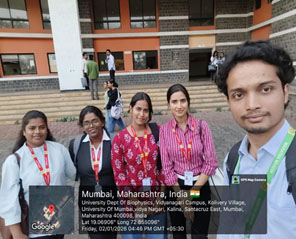
The Climate Skills – Seeds for Transition India programme is an intensive capacity-building initiative developed by the British Council in collaboration with its partner organisations to promote climate awareness, sustainability, systems thinking and youth-led climate action. As part of the programme, Mr. Aakash Rebello, faculty member, along with four students from the institution, participated in a five-day intensive training programme conducted from 2nd January 2026 to 7th January 2026. The training followed an interactive and experiential approach, incorporating discussions, group activities, data analysis, problem-solving exercises, project ideation, budgeting and project presentations, enabling participants to develop practical skills for addressing local climate and sustainability challenges.
About the Training Programme
The five-day training programme was designed to build participants’ understanding of climate-related challenges and develop practical approaches for community-level action. The programme followed a progressive learning approach, beginning with personal sustainability and climate awareness, followed by systems thinking, localised data analysis, problem identification, opportunity mapping, Social Action Project (SAP) ideation, budgeting, stakeholder mapping, and final project presentations. The participation of individuals from diverse backgrounds encouraged interdisciplinary learning, collaboration, and innovative thinking.
Day 1 – Grounding, Identity and Expectation Mapping
The first day focused on understanding participant’s personal connection with sustainability and climate action. Through speed networking, icebreakers and the “Tree of Expectations” activity, participants shared their expectations, sustainability perspectives, and concerns related to climate change. Discussions on community-level climate anxieties helped participants connect global environmental issues with challenges in their own surroundings.
Day 2 – Systems Thinking and Localised Data Analysis
The second day introduced participants to systems thinking, highlighting the interconnection between environmental, social, and economic factors. Sessions focused on local challenges such as urban infrastructure, waste management, weather conditions, coastal areas, and monsoon-related issues.
Participants also explored localised data to better understand regional environmental conditions and climate vulnerabilities.
Day 3 – Problem to Opportunity Tree
The third day introduced the “Problem to Opportunity Tree” framework, encouraging participants to identify the root causes and effects of environmental problems and explore possible solutions. Working in groups, participants examined issues such as plastic waste, urban heat, water challenges and biodiversity loss. The activity strengthened their critical thinking, problem-solving, creativity and interdisciplinary collaboration.
Day 4 – Social Action Project Ideation and Budgeting
The fourth day focused on transforming identified problems into practical Social Action Projects (SAPs). Participants developed project ideas while considering objectives, target communities, resources, budgets, stakeholders, and expected outcomes. The session provided practical exposure to project planning and demonstrated the importance of converting innovative ideas into realistic and implementable climate solutions.
Day 5 – Youth Marketplace and Final Pitching
The final day provided participants with an opportunity to present their Social Action Projects through the “Youth Marketplace.” Teams showcased their proposed solutions, target beneficiaries, implementation plans and expected impact before faculty members and mentors. The activity strengthened their communication, presentation, leadership, teamwork and project-pitching skills, bringing together the overall learning journey from understanding climate challenges to developing actionable solutions.
Participants from the Institution
The institution was represented in the training programme by Mr. Akash, Faculty Member, along with four student participants from the BMS and MMS programmes. The faculty member and students actively participated in the various training sessions, group discussions, practical activities, systems-thinking exercises and project-development activities throughout the programme. Their participation provided an opportunity to gain practical knowledge and develop a deeper understanding of climate action, sustainability and community-oriented solutions.
Learning and Feedback
The training programme provided Mr. Akash and the four participating BMS and MMS students with valuable exposure to climate change, sustainability and community-level climate action.
Through interactive discussions, collaborative activities, data analysis and project development, participants strengthened their systems thinking, problem-solving, teamwork, project planning, communication and leadership skills. The experiential approach encouraged participants to move beyond theoretical understanding and explore practical solutions to local environmental challenges.
Conclusion
The Climate Skills – Seeds for Transition India five-day training programme was a valuable learning experience that combined knowledge, creativity, collaboration, and practical action. The programme enabled the faculty member and students to understand climate-related challenges, develop innovative solutions, and explore community-based Social Action Projects. Their participation further strengthened the institution’s commitment to sustainability, environmental awareness, and youth-led climate action.