Introduction
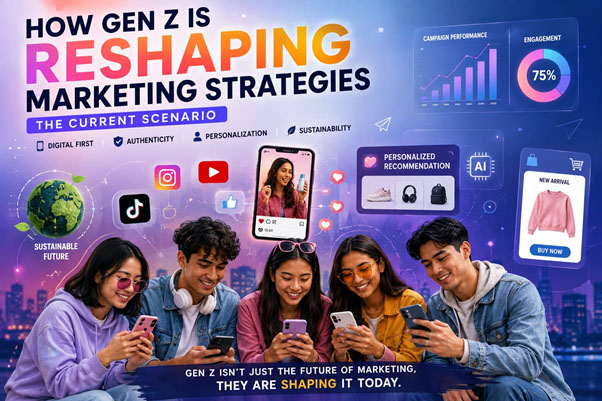
Marketing has evolved rapidly over the past decade, and one of the biggest reasons for this change is the rise of Generation Z (Gen Z). Born between 1997 and 2012, Gen Z has grown up with smartphones, social media, online shopping, and instant access to information. Unlike previous generations, they are highly connected, tech-savvy, and value authenticity, convenience, and personalisation.
Businesses can no longer rely only on television advertisements or newspaper promotions. Today, brands must create engaging digital experiences that match Gen Z’s preferences. Companies that understand this generation are gaining a competitive advantage, while those using traditional marketing methods are struggling to connect with young consumers. This blog discusses how Gen Z is reshaping marketing strategies in today’s business environment.
Who is Gen Z?
Generation Z is the first generation to grow up completely in the digital age. They spend a significant amount of time on social media platforms such as Instagram, YouTube, Snapchat, and other digital channels. Before making a purchase, they often watch product reviews, compare prices online, and seek recommendations from influencers or friends.
Gen Z values quality, affordability, sustainability, and transparency. They expect brands to communicate honestly and provide products that meet their needs. Their buying decisions are influenced more by online content than by traditional advertising.
Digital-First Marketing
One of the biggest changes brought by Gen Z is the shift towards digital marketing. Companies are investing more in social media campaigns, mobile applications, search engine optimization (SEO), and online advertisements instead of traditional marketing channels.
For example, brands such as Nykaa, Zomato, and Amazon actively promote their products through Instagram Reels, YouTube videos, and influencer collaborations. Digital platforms allow companies to interact directly with customers and measure campaign performance instantly.
The Popularity of Short-Form Video Content
Gen Z prefers short, entertaining, and informative videos instead of lengthy advertisements. Platforms like Instagram Reels and YouTube Shorts have become powerful marketing tools because they capture attention within seconds.
Brands now create creative videos that educate, entertain, and promote products simultaneously. A funny or relatable video has a higher chance of going viral, increasing brand awareness without spending heavily on traditional advertising.
For example, Zomato regularly posts humorous social media content that connects well with young audiences and keeps the brand relevant.
Influencer Marketing
Influencer marketing has become one of the most effective strategies for reaching Gen Z consumers. Instead of trusting celebrities alone, Gen Z prefers influencers who share honest reviews and real experiences.
Beauty brands collaborate with makeup artists, fitness companies work with health influencers, and fashion brands partner with lifestyle creators. These influencers build trust with their followers, making product recommendations more credible.
Micro-influencers, who have smaller but highly engaged audiences, are becoming increasingly popular because their content feels more genuine and relatable.
Personalisation Through Technology
Gen Z expects brands to understand their preferences. Artificial Intelligence (AI) and data analytics allow companies to offer personalised recommendations based on browsing history, shopping behaviour, and interests.
For example, Netflix recommends movies based on viewing habits, Spotify creates personalised playlists, and Amazon suggests products according to previous purchases. Personalised marketing improves customer satisfaction and increases the chances of repeat purchases.
This approach makes consumers feel valued rather than treated as just another customer.
Sustainability and Social Responsibility
Today’s young consumers care about environmental and social issues. Gen Z prefers brands that use eco-friendly packaging, reduce waste, support ethical sourcing, and contribute positively to society.
Companies such as Tata Consumer Products, FabIndia, and The Body Shop promote sustainability as part of their marketing strategy. Consumers are more likely to support businesses whose values align with their own.
Marketing today is no longer limited to selling products; it also involves demonstrating responsibility towards society and the environment.
Social Media as a Shopping Platform
Social media has become much more than a communication tool. Platforms such as Instagram and Facebook now allow customers to discover, review, and purchase products directly through the app.
This trend, known as social commerce, is growing rapidly among Gen Z. Live product demonstrations, influencer recommendations, and interactive shopping experiences encourage faster purchasing decisions.
Businesses are therefore investing heavily in social commerce to improve customer engagement and increase sales.
Current Marketing Scenario
In today’s market, brands focus on creating meaningful relationships with customers rather than simply promoting products. Companies actively engage with consumers through comments, live sessions, polls, and user-generated content.
Brands like Nykaa provide beauty tutorials, Spotify creates personalised campaigns such as “Spotify Wrapped,” and Zomato uses humour to interact with followers. These strategies help companies build customer loyalty and improve brand image.
Technology, creativity, and customer engagement have become the foundation of successful marketing.
Challenges for Marketers
Although Gen Z offers enormous opportunities, marketers also face several challenges. This generation has a short attention span and quickly loses interest in repetitive or irrelevant content. They can easily identify misleading advertisements and expect complete transparency from brands.
Businesses must constantly innovate, stay updated with changing trends, and create fresh, engaging content to remain competitive. Maintaining customer trust has become more important than ever.
Conclusion
Generation Z has transformed modern marketing by encouraging businesses to become more digital, customer-focused, and authentic. Their preference for personalised experiences, influencer recommendations, short-form videos, and sustainable practices has changed the way brands communicate with consumers.
Companies that understand Gen Z’s expectations and adapt their marketing strategies accordingly will continue to grow and succeed. As technology advances, businesses must remain innovative, transparent, and responsive to changing consumer behaviour. Understanding Generation Z is no longer just an advantage—it is essential for success in today’s competitive marketplace.
By: Asma Shaikh , Bushra Khan
Marketing Specialisation